PROJECT

A Cost-Effective Re-Roof in Ramsgate

A Ramsgate re-roof where reusing the existing tiles saved the customer money and cut waste — with new felt, battens, a new valley and re-bedded ridge tiles.

At-a-glance

Location: Ramsgate, Kent

Property Type:  Domestic house

Service: Re-roof reusing existing tiles

Year: 2023

Duration:

Materials: New felt and battens, salvaged existing tiles, new valley, re-bedded ridge tiles

The brief

A re-roof on a Ramsgate property — and a good example of a point we make often: a re-roof does not automatically mean new tiles.

What actually fails on most older roofs isn't the covering. It's everything underneath. The felt goes brittle and tears, the battens rot, the nails corrode and let go. The tiles themselves — particularly clay and slate — can easily have decades of life left in them while the roof they're sitting on has none.

So the question worth asking before anyone quotes is whether the existing tiles are sound enough to go back on. On this job they were.

The challenge

Reusing tiles takes longer than replacing them. Every tile has to come off carefully rather than being swept into a skip, then be sorted, with anything cracked or delaminated set aside. It's slower, fiddlier work than opening pallets of new tile.

You have to be honest about what's salvageable. There's no point re-laying tiles that will fail in five years to save money today. The judgement call — this batch is sound, that batch isn't — has to be made properly, not optimistically.

The valley needed forming. Valleys carry the water off two roof planes at once, which makes them the busiest and most vulnerable detail on the roof. It's where these jobs leak if the detail isn't right.

What we did

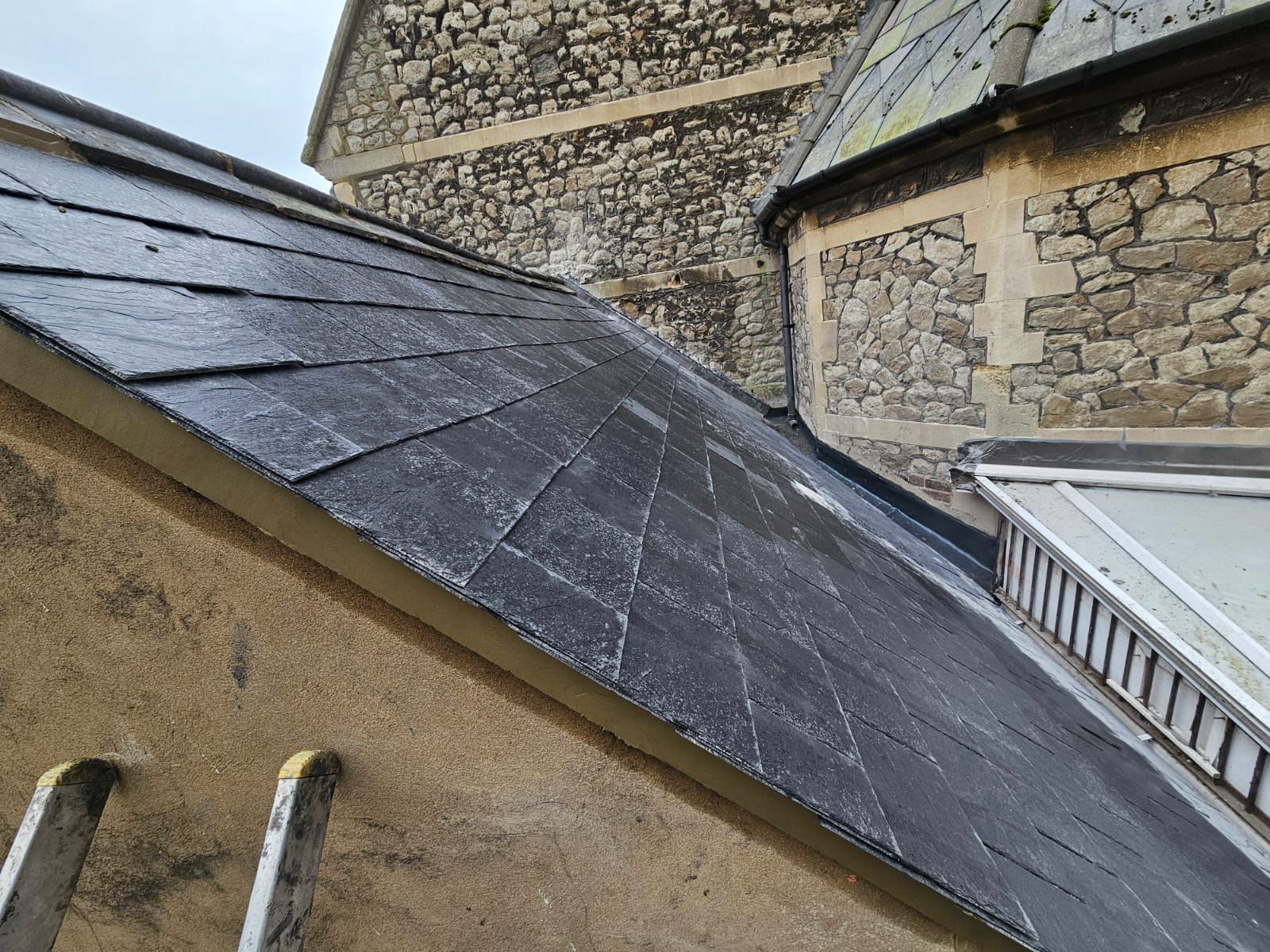
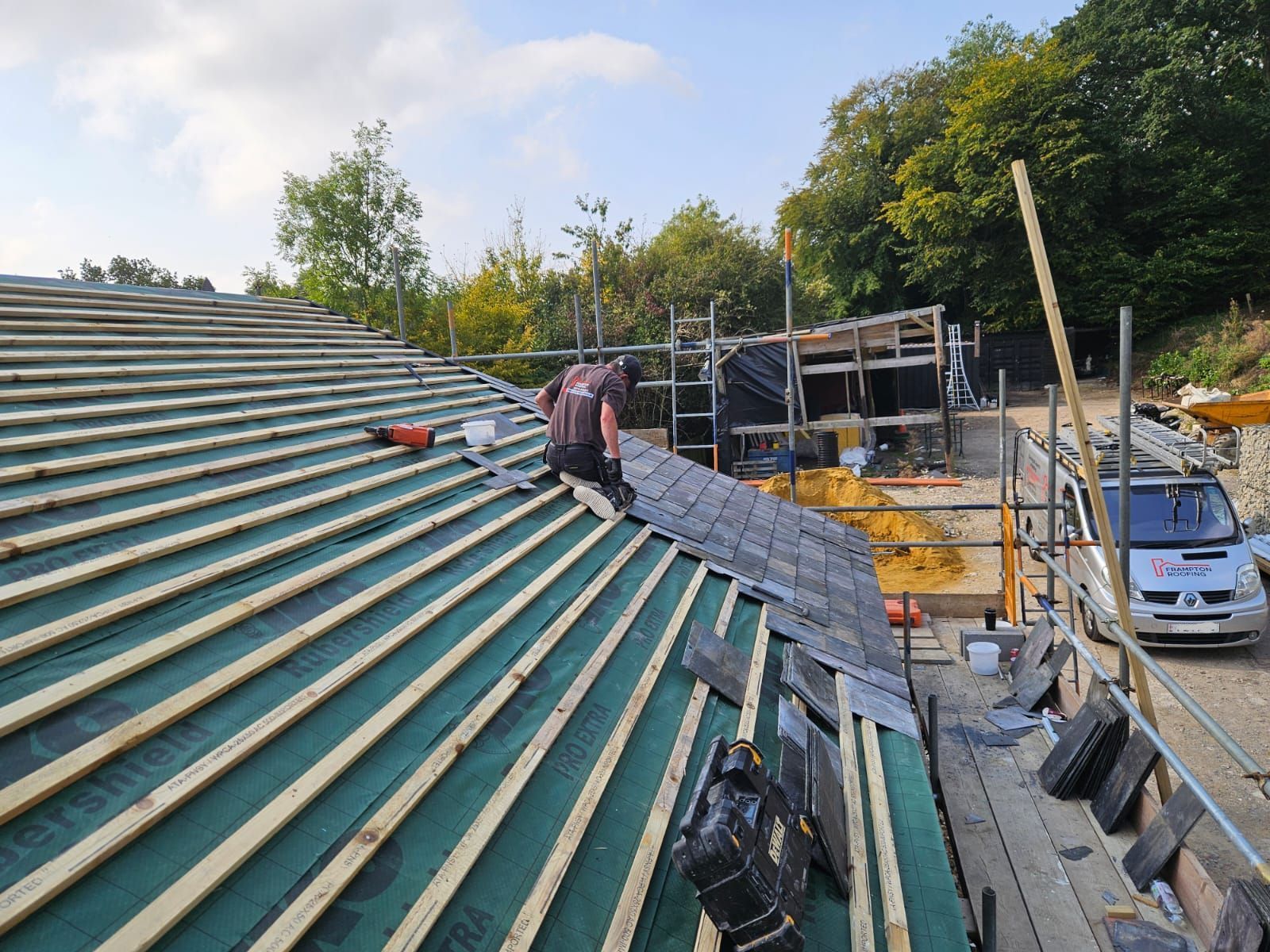
  • Stripped the roof and set the existing tiles aside, sorting as we went so only sound tiles went back on.
  • Fitted new felt and battens throughout — the part that had genuinely reached the end of its life, and the reason the roof needed doing at all.
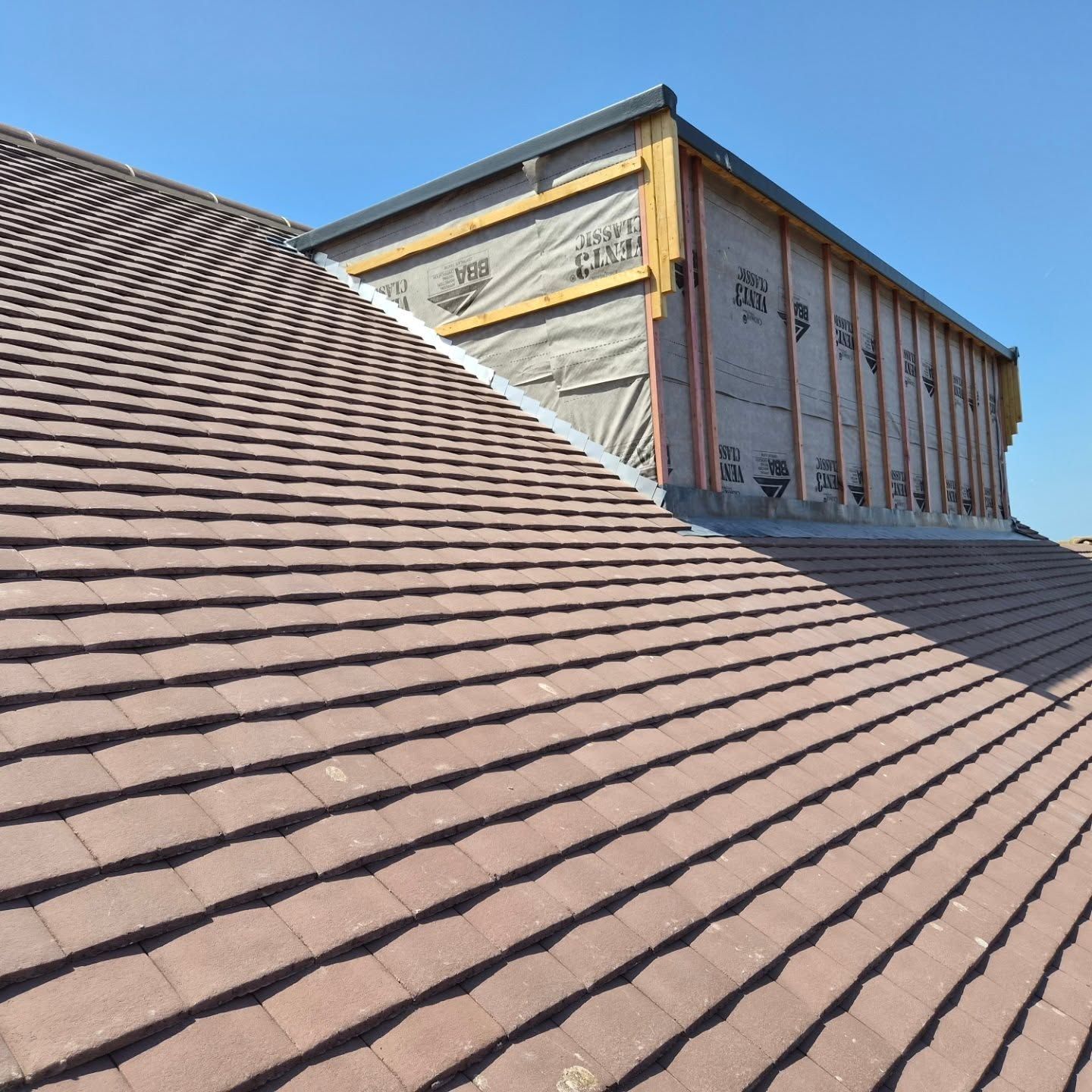
  • Re-laid the customer's existing tiles to save them the cost of a full set of new ones, and to keep a lot of serviceable material out of landfill.
  • Formed a new valley where the roof planes meet.
  • Fully re-bedded all the ridge tiles — the exposed line along the top of the roof, and the first thing to work loose on this coast.

The result

A roof that's structurally as good as a full replacement, at a lower cost, with considerably less waste.

The customer got new felt, new battens, a properly formed valley and re-bedded ridges — all the parts that were actually failing — without paying for tiles they didn't need. The saving was real, and so was the environmental sense of it.

It won't always be the right answer. Where nail fatigue has gone through a whole roof, or the tiles are genuinely spent, we'll say so. But it's always worth asking the question, and a lot of roofers don't.


TESTIMONIALS

What our customers think

This is the text area for this paragraph. To change it, simply click and start typing. Once you've added your content, you can customize its design by using different colors, fonts, font sizes and bullets. Just highlight the words you want to design and choose from the various options in the text editing bar.

FEATURED PROJECTS

Find out more

Check out our recent projects